


Electricity powers almost everything in your home. From lights and TVs to ovens and security systems, it all depends on safe wiring. Residential wiring is like the hidden highway that carries power where you need it most. Knowing the basics helps you spot problems early and keeps your family safe.
Why Residential Wiring Is Important
Wiring that works the right way makes your home safe and dependable. Bad or old wiring can cause fires, damage electronics, or leave you without power. When your home has strong, up-to-date wiring, you know it can handle today’s needs—from smart devices to bigger appliances. Regular inspections also ensure that your system complies with local codes and safety regulations.
Types of Residential Wiring
Different wiring types do different jobs in your home. Here are the main ones:
- Non-Metallic (NM) Cable – Common in most houses. Used for outlets, switches, and lights.
- Armored Cable (BX) – Has a tough metal cover. It protects wiring in areas that need extra safety.
- Underground Feeder (UF) Cable – Built to go outside. Great for sheds, garages, and yard lighting.
- Low-Voltage Wiring – Runs smaller systems, such as doorbells, thermostats, and security cameras.
Knowing what kind of wiring is in your home helps you understand repairs and upgrades when electricians explain them.
Signs Your Wiring Might Be Unsafe
Wiring issues often start small. But if ignored, they can grow into significant dangers. Watch for these signs:
- Breakers trip often – A clue that the circuit is overloaded or faulty.
- Flickering or dim lights – May mean loose wires or stressed circuits.
- Burn smells or marks – A strong warning that wires are overheating.
- Buzzing switches or outlets – Loose or unsafe connections could be the cause.
- Old cloth-covered wiring – Replace outdated materials fast.
If you see any of these signs, call an electrician right away.
Why DIY Electrical Work Is Dangerous
It’s tempting to fix things yourself, but wiring is not a safe DIY project. Mistakes can lead to shocks, fires, or costly damage. Licensed electricians train to do the job right and follow all safety codes. They use the correct tools, materials, and knowledge to make sure your home wiring is safe for years to come.
How Electricians Keep Homes Safe
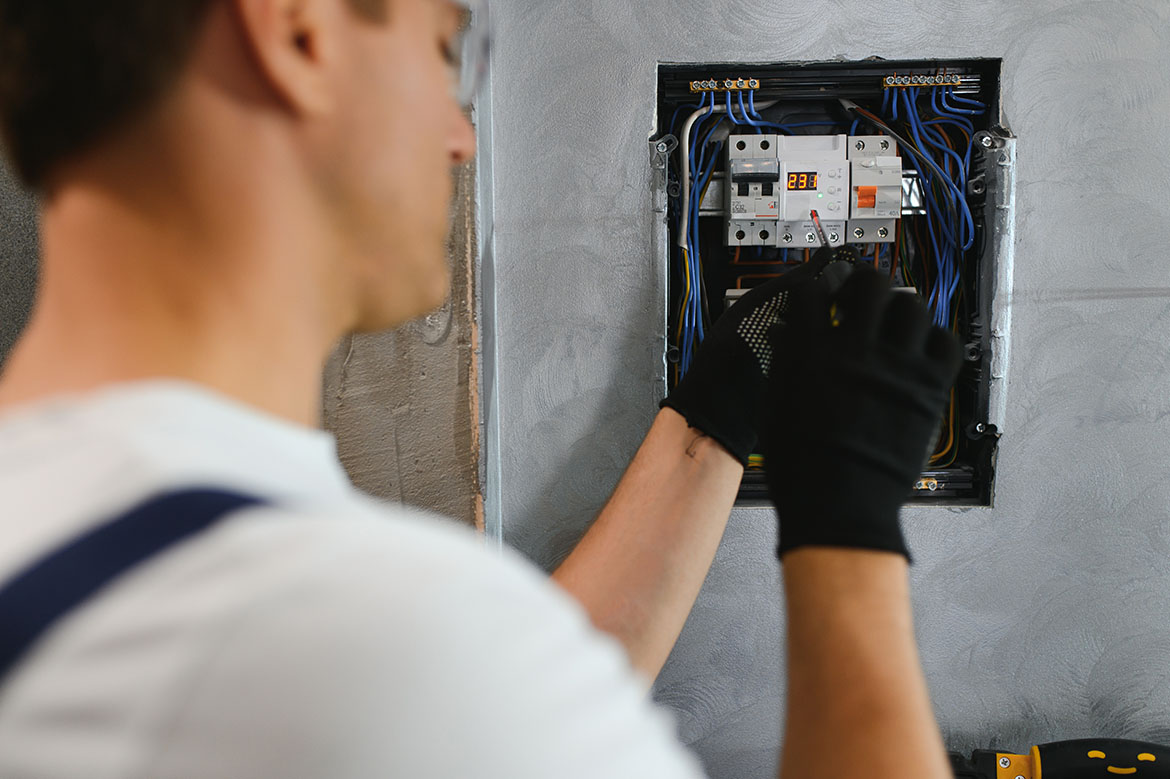
Hiring a pro means you get more than just a quick repair. At Kirchner Electric, our team makes sure every project is safe, neat, and built to last. We provide:
- Code-compliant installations that meet safety standards.
- Preventive maintenance to find and fix minor issues early.
- System upgrades for modern tech, like smart homes or EV chargers.
- Conduct thorough inspections to ensure your wiring is safe and reliable.
Want more details? Visit our services page to see everything we offer.
When to Call an Electrician
Here’s when homeowners should pick up the phone:
- Living in a house 20 years or older.
- Planning a remodel or adding new appliances.
- Spotting repeated wiring problems.
- Wanting more power for new technology.
If any of these fit your situation, don’t wait. Calling a pro now prevents bigger problems later.
Need more tips on keeping your home safe? Be sure to check out our blog for advice written with homeowners in mind.
The Final Word on Residential Wiring
Understanding the basics helps you feel confident about your home. However, when it comes to actual electrical work, safety should always be the top priority. From repairs to upgrades, trust Kirchner Electric to handle the job the right way, the first time.
Contact our licensed team today to schedule a wiring inspection. With the experts at Kirchner Electric, your home will stay safe, efficient, and always up to code.