

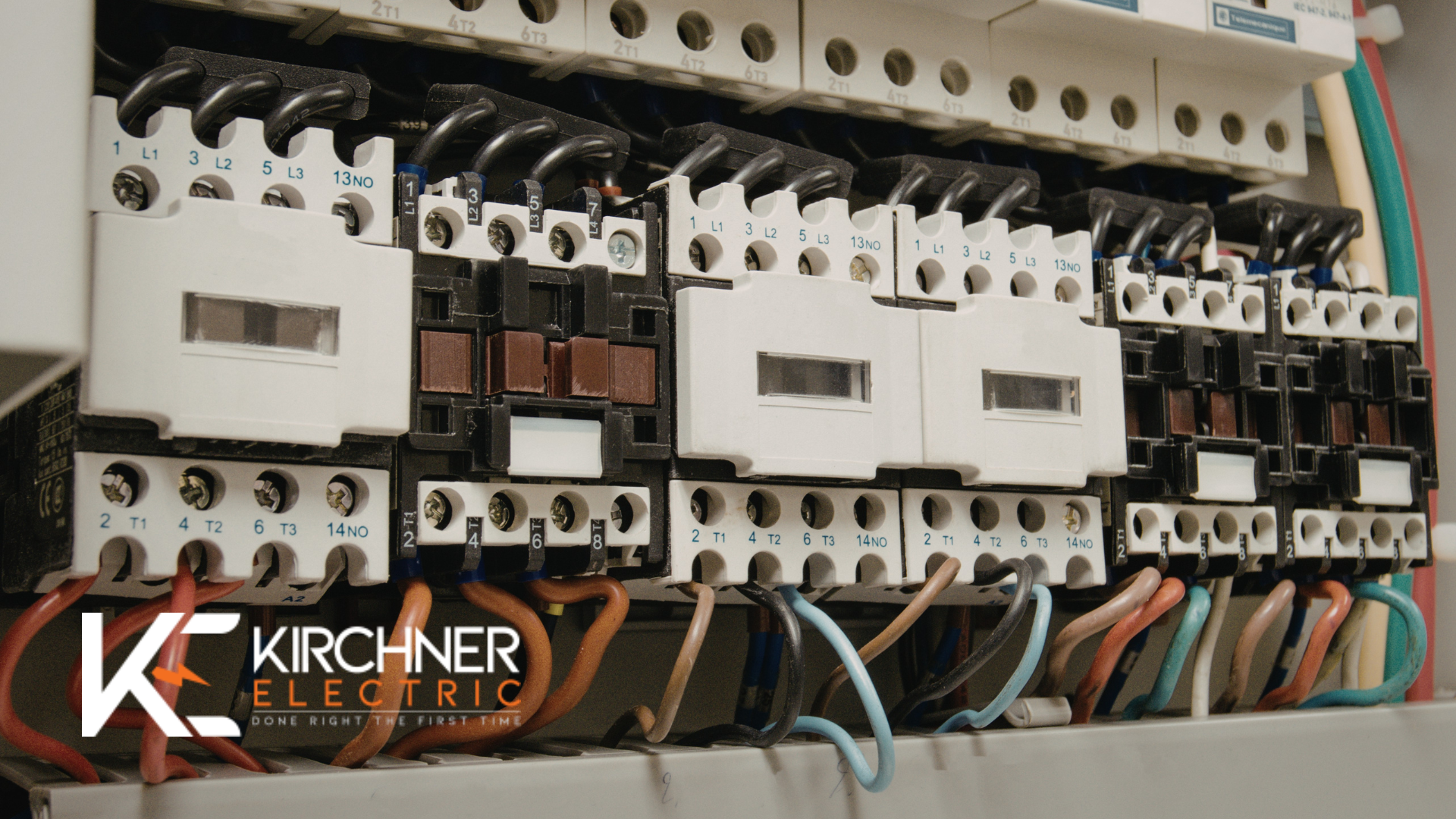
Electrical panel upgrade decisions are becoming increasingly important for Houston homeowners facing frequent breaker trips, limited capacity, and safety concerns. This guide is for Houston homeowners considering an electrical panel upgrade. We cover when to upgrade, costs, the upgrade process, and how to choose the right panel for your needs. Upgrading your home’s electrical panel is essential for improving safety, boosting energy efficiency, and increasing your property’s value. Whether you’re adding an EV charger, replacing your HVAC system, or simply tired of flickering lights, understanding your upgrade options is the first step toward reliable home power.
Quick Answers: When & Why to Upgrade Your Electrical Panel
Houston homeowners often need an electrical panel upgrade when adding Level 2 EV chargers, whole-home generators, or modern high-efficiency HVAC systems. These high power appliances demand more electricity than many older panels can safely deliver.
Common reasons to upgrade right now:
- Panel older than 25–30 years
- Frequent breaker trips under normal use
- Burning smells or scorch marks near the panel
- Visible rust or corrosion
- Plans to install 240-volt appliances (EV charger, 2024+ heat pump, induction range, pool equipment)
- Flickering lights are a sign that your electrical panel may need an upgrade.
In addition to these signs, the panel’s age is a key factor—an aging electrical system, typically over 20 to 30 years old, may indicate the need for an upgrade to improve safety and efficiency.
Typical Houston panel upgrades in 2026 run approximately $1,600–$4,000 for 100–200 amp service. Projects requiring relocation or major rewiring can exceed $5,000.
A modern panel increases safety through updated circuit breakers, supports higher power capacity, and is often required for today’s energy-efficient upgrades. If your panel is outdated or unsafe, it is important to replace it to maintain a safe and reliable electrical system. All panel work must be performed by a licensed electrician and permitted through the City of Houston Permitting Center.
Understanding Your Electrical Panel
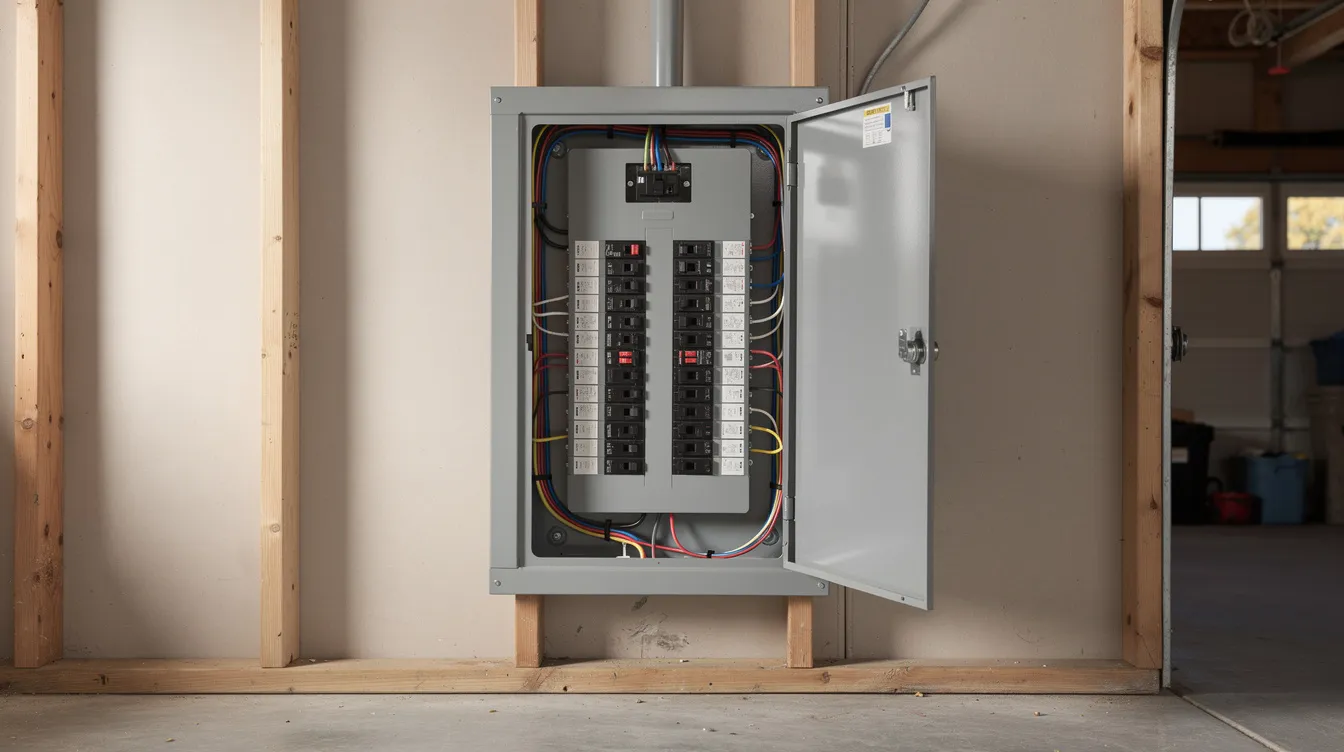
The electrical panel (breaker box) is the central hub where electrical power from CenterPoint Energy enters your home and distributes to various circuits throughout the house. Electrical panels serve as a central control for the flow of electricity entering your home.
The main panel contains a main breaker—commonly rated at 100, 150, or 200 amps—that controls maximum current for the whole house. Individual circuit breakers, each with its own circuit breaker switch, protect specific rooms and appliances, with ratings typically ranging from 15 to 50 amps. The panel controls power to all outlets and appliances in your home, ensuring safe and reliable operation.
| Panel Type | Common Era | Status |
|---|---|---|
| Fuse boxes | Pre-1970s | Often uninsurable |
| 60-100 amp panels | 1960s-1980s | Frequently undersized |
| 200 amp panels | Post-2015 | Current standard |
Many Houston homes still operate on 60-amp or 100-amp service, which may be undersized for dual HVAC systems, tankless water heaters, and electric vehicle chargers. Locate your panel—often in the garage or utility room—and check its labeled amperage and manufacturer.
Existing Panel Assessment
Professional Inspection
Before committing to an electric panel upgrade, it’s essential to have your existing electrical panel professionally assessed. This evaluation is the foundation for making informed decisions about your home’s electrical system, ensuring both safety and energy efficiency.
What Electricians Look For
A licensed electrician will conduct a comprehensive inspection of your current panel, looking for any signs of wear, outdated components, or potential safety concerns. This includes checking for corrosion, loose connections, overloaded circuits, and verifying that the panel meets current local and national electric code requirements. The electrician will also evaluate whether your panel has enough capacity to support your household’s present and future electrical needs, especially if you plan to add more electrical appliances or upgrade to high-efficiency systems.
During the assessment, the electrician may test the load on various circuits, inspect the wiring for damage, and confirm that all breakers are functioning correctly. They’ll also review the panel’s age and overall condition, helping you determine if a panel upgrade is necessary to maintain safety and improve energy efficiency.
Why Assessment Matters
Relying on a professional for this assessment not only ensures a thorough evaluation but also helps you avoid hidden hazards that could lead to electrical fires or system failures. If the assessment reveals that your panel is outdated or undersized, your electrician can recommend the right upgrade options to keep your home’s electrical system safe, reliable, and ready for modern demands.
Once your panel has been assessed, you can determine if an upgrade is necessary and what type best fits your needs.
Energy Efficiency Starts at Your Panel
Upgrading your home’s electrical panel is often the first step before installing solar, a high-efficiency heat pump, or a Level 2 EV charger in Houston.
Modern smart panels can integrate with the electrical grid, enabling better energy management, renewable energy integration, and even bidirectional energy flow. Smart electrical panels also provide greater insight and smart control over your home’s electricity consumption. Upgrading to a smart panel can help avoid upgrading your utility service and offers added convenience in managing electricity usage.
Modern systems like 2024-2026 HVAC models, heat pump water heaters, and induction cooktops draw significant power and require dedicated 240-volt circuits. A properly sized panel allows these energy-saving upgrades to run without constant trips or voltage drops.
Federal programs like the Energy Efficient Home Improvement Credit (offering up to 30% through 2032) may help offset costs when your panel upgrade ties into qualified energy property improvements. A Houston homeowner upgrading to solar plus a Level 2 EV charger typically needs a 200-amp panel minimum.
Safety and Peace of Mind
The primary reason to upgrade an electric panel is safety, not convenience. Upgrading your panel can significantly reduce the risk of electrical hazards and improve the overall safety of your home.
Warning signs requiring immediate attention:
- Frequent tripping breakers under normal loads
- Warm or hot panel cover
- Buzzing or crackling sounds
- Burnt or smoky odors
- Scorch marks or melted wiring
- Hearing unusual noises from your electrical panel, such as popping or hissing, can indicate that it requires an upgrade
Certain Federal Pacific Stab-Lok and Zinsco panels have documented 30-40% failure rates and should be replaced even if they appear functional. Outdated panels increase the risk of electrical fires—Texas sees approximately 1,200 annually. If you notice smoke or sparking, shut off power and call a professional electrician immediately.
Consistent, Reliable Power Supply
A correctly sized panel—often 200 amps for modern Houston homes—ensures steady power when running multiple electrical appliances simultaneously. The electrical panel is central to your home’s power, providing the capacity needed to meet the energy demands of today’s households. A higher amperage electrical panel is crucial for meeting the power demands of modern households.
Common symptoms of insufficient load capacity include lights dimming when the AC cycles, breakers tripping when running the dryer and oven together, and no open spaces for new circuits.
Example scenario: A Houston family adding a second 3-ton AC unit (25A) and a 1.5HP pool pump (20A) to a 100-amp panel creates approximately 160A calculated demand—well beyond safe capacity. Upgrading from 100 to 200 amps reduces nuisance trips and protects wiring from overheating.
Added Home Value and Possible Savings
An upgraded electrical panel is a valuable improvement for older Houston properties, particularly those built before the 1990s.
Many buyers and inspectors view a modern 200-amp breaker panel as a key selling point. According to 2023 Houston appraisals, modern panels can add 1-2% to property value—roughly $5,000-$10,000 on a median-priced home.
Additional financial benefits include:
- Tax credits offsetting 30% of costs ($500-$1,200)
- Insurance discounts of 10-25% for non-obsolete panels
- Fewer emergency repairs over the panel’s lifespan
When to Upgrade Your Electrical Panel
Most panels have a practical life of 25-40 years. Houston’s heat and humidity can shorten that lifespan by 20-30% through accelerated corrosion.
General triggers for panel replacement:
- Major remodeling or room additions
- Installing a Level 2 EV charger
- Switching from gas to electric appliances
- Adding a whole-home generator
- Local code changes requiring updated service
Schedule a professional evaluation if your existing panel predates the early 1990s, lacks clear labeling, or shows visible corrosion.
Old Age and Obsolete Equipment
Older panels installed before the mid-1990s may not meet current national electric code and Houston local code standards. Check for a manufactured date—panels from 1985 or earlier are prime upgrade candidates.
Problematic brands requiring replacement include certain Federal Pacific and Zinsco models with documented safety concerns. Many older panels lack space for AFCI and GFCI breakers now required under current codes.
Frequent Trips, Flickering Lights, and Burning Smells
Consistently tripping breakers on high-demand circuits signal overloaded circuits or an undersized main panel. Flickering lights when large appliances start indicate voltage drop issues.
Urgent red flags:
- Panel hot to the touch (above 140°F)
- Buzzing sounds from arcing
- Burning odors from insulation degradation
- Discoloration near breakers
Never bypass or oversize breakers as a fix—call a licensed electrician instead.
Insufficient Power for Modern Appliances
Many modern appliances require dedicated 240-volt circuits:
| Appliance | Typical Amperage |
|---|---|
| Level 2 EV charger | 32-48A |
| Tankless water heater | 80-120A |
| Heat pumps | 20-40A |
| Double ovens | 50A |
If your current panel is full or has tandem breakers squeezed into limited spaces, there’s no safe room for new circuits. Upgrading to a 200-amp service allows you to add more circuits, which is essential for supporting additional appliances or outlets in your home. A load calculation per NEC Article 220 determines whether your existing service meets your electrical needs.
Keep in mind, the cost of updating an electrical panel can increase if additional upgrades are needed, such as installing a subpanel or extending the system with new circuits.
Types of Electrical Panel Upgrades
The right upgrade depends on home size, existing service, future plans, and Houston utility requirements. If your current system is outdated or insufficient, a licensed Houston electrician may recommend replacing it with a new panel to ensure safety and code compliance. The most common amperage ratings for new electrical panels include 100-amp and 200-amp services. A licensed Houston electrician will perform a load calculation before recommending specific upgrade options.

100-Amp Service Upgrades
A 100-amp panel suits smaller homes or condos with limited heating and cooling system demands. Upgrading to a new 100-amp panel works for modest Houston homes without plans for EV charging or more electrical appliances.
2026 cost range: $1,200–$2,000 for parts and labor costs in Houston.
150-Amp and 200-Amp Service Upgrades
The 200-amp panel has become standard for homes built or renovated after 2015. This service handles dual central AC units, electric dryer and oven, pool equipment, and a Level 2 EV charger simultaneously.
2026 estimated cost: $1,600–$4,000, depending on panel location, wiring condition, and permit fees. The upgrade may require coordination with the utility company to upgrade service conductors and meter base.
300-Amp, 400-Amp, and Smart Panel Options
Higher-amperage services suit large custom homes with multiple HVAC systems or extensive electrification. Project cost ranges from $4,000–$8,000+ for 300/400-amp service in 2026.
A smart panel offers circuit-level monitoring and load management, integrating with solar and battery systems. These panels can sometimes avoid utility service upgrades by intelligently managing loads—pausing EV charging when the oven and dryer run simultaneously.
Electrical Panel Upgrade Costs in 2026
Total cost combines equipment, labor, permits, and additional electrical work required by code.
| Project Type | Typical Range |
|---|---|
| Standard panel replacement | $1,500–$4,500 |
| Complex projects | $5,000–$8,000+ |
Written, itemized estimates from multiple quotes help you understand the exact cost breakdown.
Key Cost Factors
Major cost drivers include:
- Amperage size
- Panel brand
- Breaker types (standard, GFCI, AFCI)
- Whether relocation is needed (moving a panel from a closet to a compliant location adds $1,000–$3,000 for additional wiring and wall repairs)
- Homes with outdated aluminum wiring may require corrective work costing $600–$4,500
Parts and Materials
Panel costs vary by brand and features. Basic 100-200 amp panels run a few hundred dollars; smart panels cost several thousand. Individual GFCI and AFCI breakers range from $40–$100 each.
Upgrades may also require a new meter base, grounding electrodes, and bonding jumpers. Request brand and model details in your quotes.
Labor, Permits, and Inspections
Labor costs often represent the largest portion—Houston electricians typically charge $100–$200 per hour. Permits through the City of Houston run approximately $200–$600.
The electrician pulls permits, coordinates inspections, and arranges utility shutoff. Proper permitting ensures work is code-compliant and recognized by insurers.
DIY vs. Hiring a Licensed Houston Electrician
Upgrading an electrical panel requires hiring a professional electrician to ensure safety and compliance with electrical codes. Main electrical panel upgrades are not diy installation projects. Working inside a panel exposes homeowners to dangerous live conductors even when the main breaker is off.
Unpermitted work can void insurance coverage and create problems during home sales.
Safety and Code Compliance
Professional electricians handle critical tasks: proper torqueing of lugs, correct wire sizing, bonding and grounding, and arc-fault protection. They understand the latest NEC and Houston code amendments, carry liability insurance, and often warranty their electrical work.
Why a Local Houston Electrician Matters
Local electricians understand regional challenges—high heat, humidity, and storm-related surges affecting your home’s electrical system. They know CenterPoint Energy procedures and local permit requirements.
When selecting a contractor:
- Verify TDLR licensing
- Request written estimates with clear scope
- Check reviews (look for 4.5+ stars)
- Get at least three bids
What to Expect During an Electrical Panel Upgrade
Homeowners should obtain necessary permits before initiating an electrical panel upgrade, as it is often required by law. Most straightforward replacements take one day. Complex upgrades may extend over multiple days for permits and inspections.
Before the Upgrade
The electrician inspects your existing panel, performs a load calculation, and discusses future new appliances. A written estimate details amperage, panel brand, included breakers, and timeline.
Clear the area around your panel for safe access. Back up electronic data and plan for internet downtime.
Installation Day: Power Off to Power On
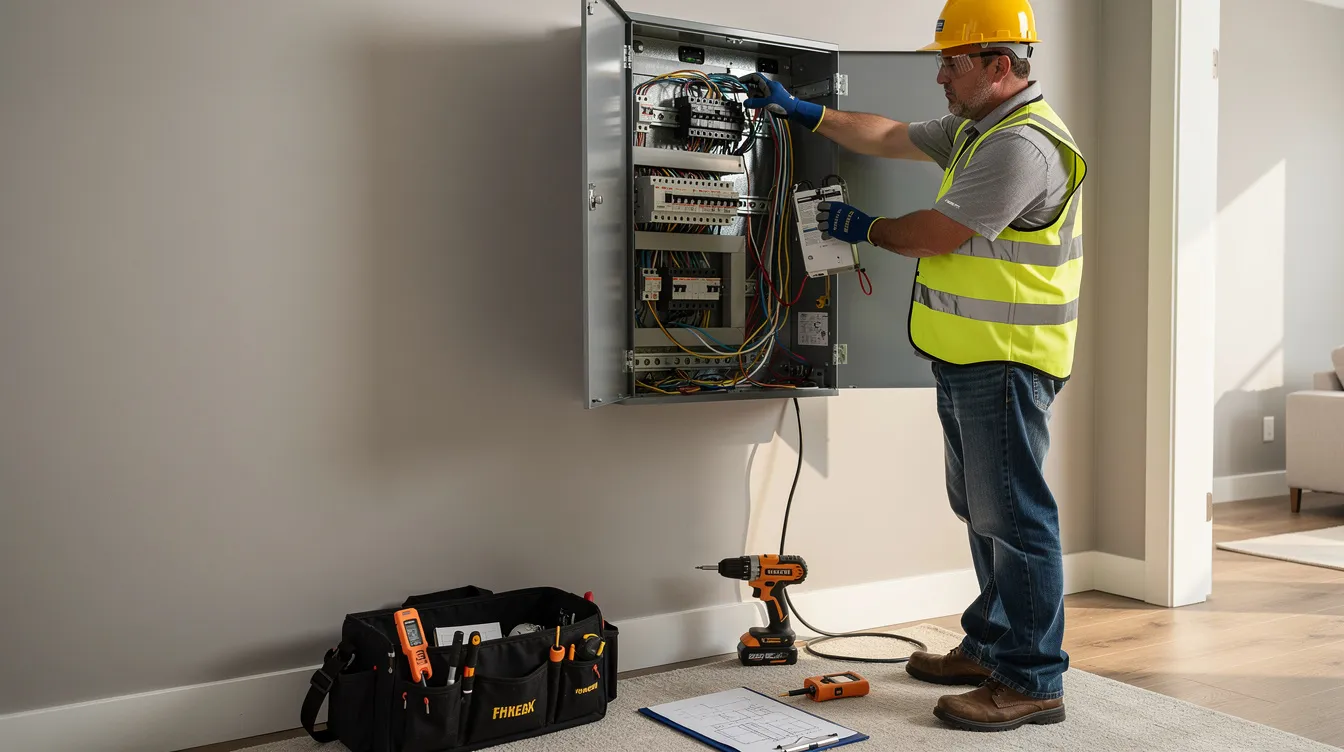
The electrician coordinates with CenterPoint for safe power shutoff. The old panel is removed, circuits labeled, and damaged wiring repaired. The new electrical panel is mounted, circuits reconnected, breakers installed, and the system inspected before power restoration.
After the Upgrade
Monitor for unusual behavior in the following days. Keep permits, inspection approvals, and warranties with house records. Label circuits clearly for routine maintenance and future troubleshooting.
Once the upgrade is complete, you can enjoy improved safety, reliability, and readiness for future electrical needs.
Is an Electrical Panel Upgrade Worth It for Your Houston Home?
Upgrading your home’s electrical panel delivers improved safety, reliable power, support for modern appliances and EVs, potential energy bills savings, and better property value.
Consider upgrading if your panel is 25–40 years old, showing damage, or undersized for planned improvements. Handling the panel upgrade before adding major loads prevents headaches and repeated electrician visits.
Your next step: Schedule an evaluation with a licensed Houston electrician to receive a tailored load calculation, discuss available tax credits, and get a realistic project timeline for your home.